
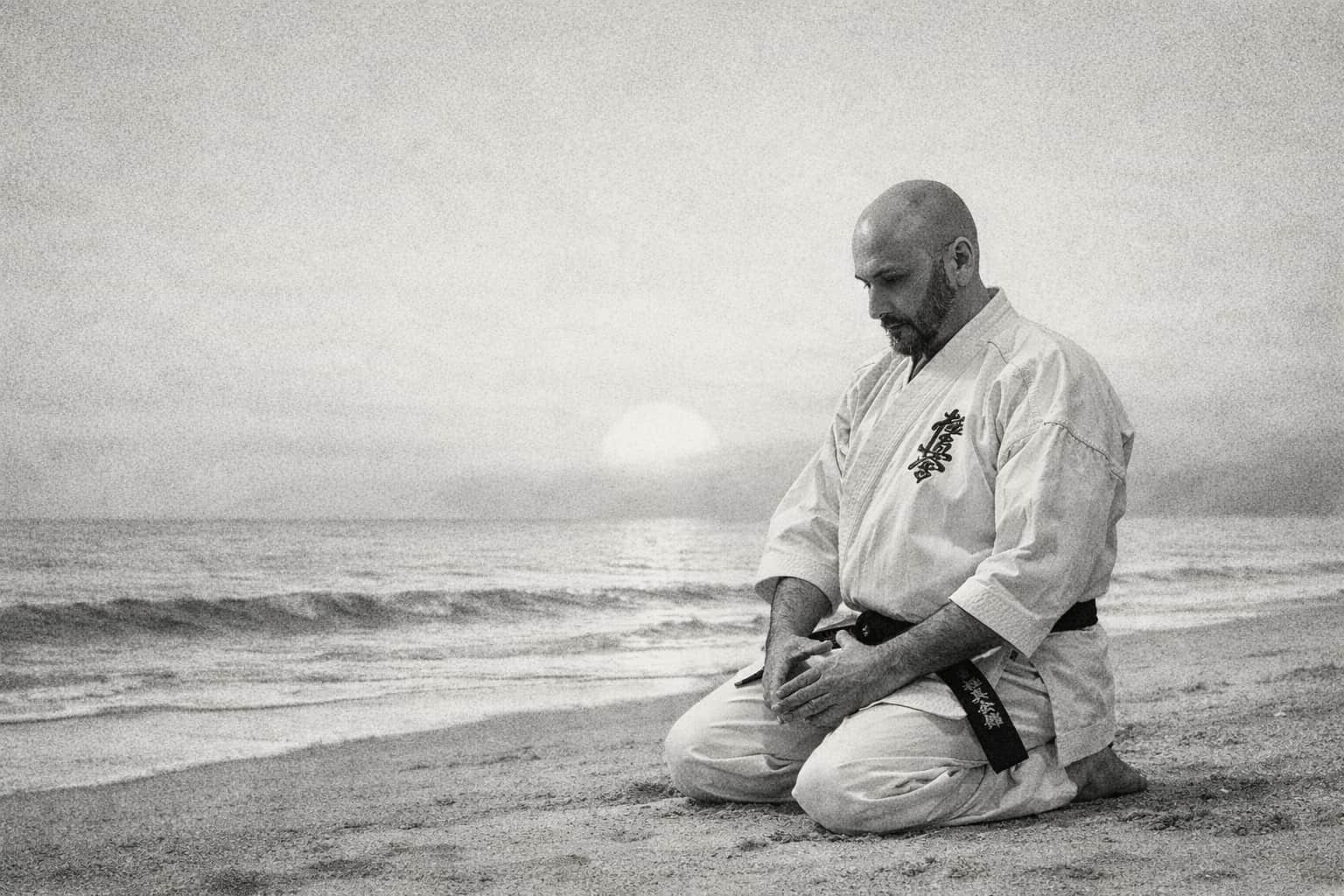
Find the right path
Galaz Dojo Technical Library can be used in different ways depending on what you are looking for.
Start with the path that best matches your role or need.
-
New here?
A simple guide for new visitors, students, instructors, and anyone looking for techniques or grading requirements.
Start here -
New student
Understand Kyokushin, dojo etiquette, the parts of training, and what is expected at the beginning.
Read the guide -
Preparing for grading?
Go directly to the grading process, preparation, and requirements for your current grade.
Go to grading -
Looking for a technique?
Go to the Technical Library for stances, striking surfaces, kihon, kata, idō geiko, and jumbi undō.
Go to the Technical Library
Structure and navigation
The documentation is organized into five main areas. Together they describe Kyokushin as a tradition, training system, and technical practice.
-
Kyokushinkai
History, development, organization, grading system, symbols, and central concepts.
Kyokushinkai -
Philosophy
Dojo Kun, Osu no Seishin, discipline, ethics, attitude, and the principles that support training.
Philosophy -
Training
The parts of training, progression, and the relationship between jumbi undō, kihon, kata, kumite, and tameshiwari.
Training -
Grading
Grading structure, requirements, preparation, process, and technical progression from kyu to dan.
Grading -
Technical Library
Practical documentation of techniques, stances, striking surfaces, sequences, kata, and training methods.
Technical Library
Purpose and background
A need for structure
Information about Kyokushin is today spread across many organizations, books, instructor lines, informal sources, and personal interpretations.
Galaz Dojo Technical Library aims to collect, structure, and explain the material in a methodical way.
The goal is not to create a new organization or an alternative teaching, but to clarify the existing tradition through consistent documentation.
Methodical analysis of source material
The work is based on:
- Sosai Masutatsu Oyama’s (1923–1994) own works
- central historical references
- documented technical and philosophical principles
- instructor experience and practical training logic
Each area is structured with a clear distinction between:
- original source
- summary
- technical explanation
- pedagogical comment
This makes the material easier to use in teaching, personal study, and long-term documentation.
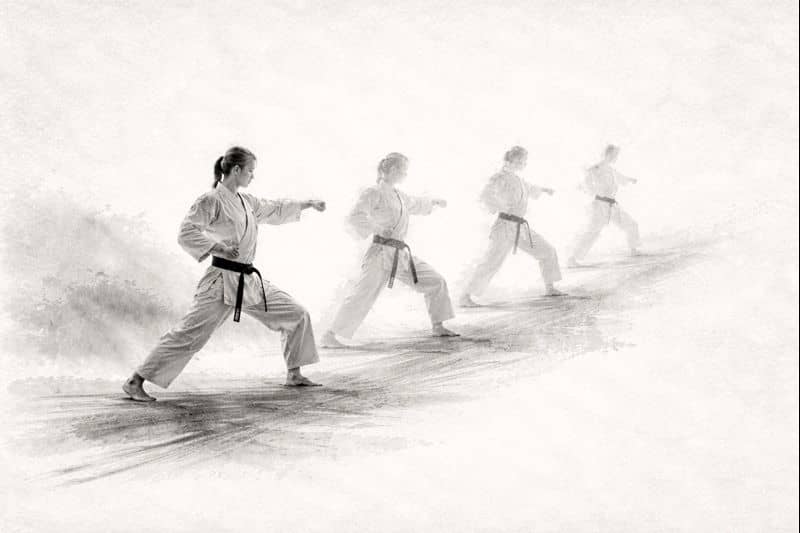
Systems thinking and progression
Kyokushin is understood here as a connected training system.
Basic technique, stances, breathing, kata, kumite, physical training, and ethics are not treated as separate parts, but as parts of one whole.
The documentation is therefore based on:
- clear concepts
- consistent page structure
- technical progression
- connection between theory and practice
- long-term management of knowledge
The purpose is to make both the details and the whole easier to understand.

Ongoing work
This is a continuous project.
The documentation develops over time as material is reviewed, structured, compared, and clarified.
The platform is open to anyone who wants to follow the work, but it has primarily been developed as a methodical support for the instructor role and for long-term technical understanding.
Copyright is respected. Content is summarized, analyzed, and explained without reproducing protected material extensively.
Documentation principles
-
Source awareness
Original texts are prioritized. Summaries, comments, and pedagogical interpretations are kept clearly separate. -
Structural consistency
Concepts, history, technique, and progression are organized according to a coherent structure. -
Neutrality
The focus is on documentation and analysis, not organizational or political positions. -
Traceability
It should be clear where information comes from and how it has been processed. -
Instructor perspective
The material is developed to support methodical teaching, progression, and technical explanation. -
Long-term perspective
The goal is sustainable documentation over time, not fast or fragmented publishing.
Using the material
The platform can be used as:
- an introduction for new students
- a reference for history and philosophy
- support for grading preparation
- a technical reference for instructors
- a structural overview of the Kyokushin system
- a basis for further pedagogical development
The material does not replace training in the dojo. It functions as a complement for deeper understanding, technical clarity, and long-term progression.
-
Want guidance?
Start with the page that shows how the material can be used depending on role and need.
Start here -
Want to look up a technique?
Go directly to the Technical Library and choose an area.
Technical Library -
Want to see grading requirements?
Go to the grading section and choose your current level.
Grading
Project development
In the first phase, an open and structured knowledge base is being built.
In later phases, more pedagogically structured modules, visual references, and digital tools may be developed based on the documented structure.
The long-term goal is to create a stable technical reference for Kyokushin training, instructor work, and deeper study.
Contact
Comments, corrections, and constructive feedback are welcome.